Product Center

Starch Acetate: the anti-retrogradation modification

Starch acetate
Starch acetate
Product definition

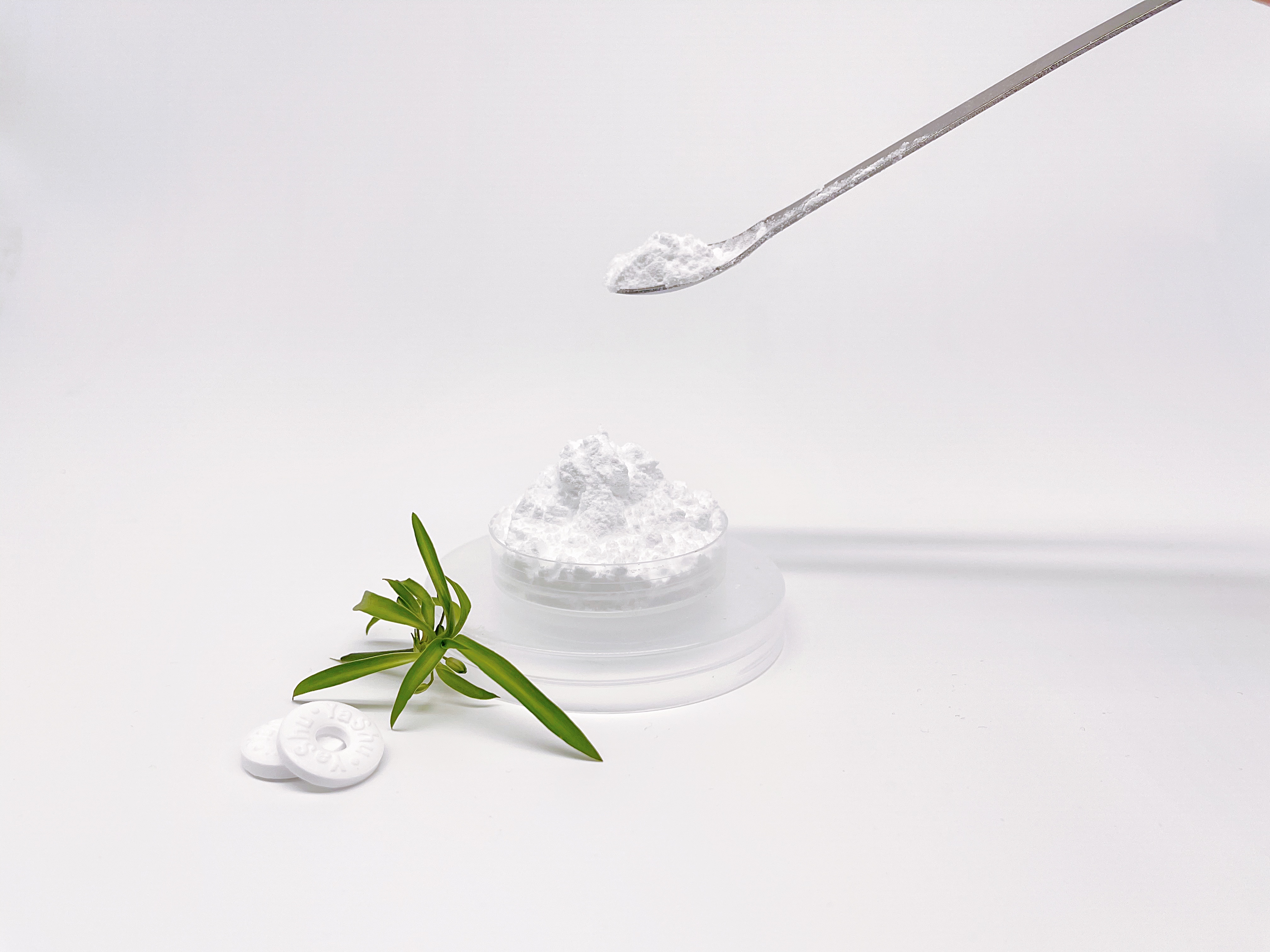
Starch acetate is a kind of chemical denatured starch obtained from the reaction of the original starch with acetic anhydride under alkaline conditions and the connection of acetate in the original starch molecule. It is characterized by low sedimentation of paste, high stability of acid, alkali and heat, high transparency of paste, good freezing stability, and not easy to form hydrogen bonds between molecules.

Get Quotation / Free Sample

Product Functional Category and Applications

1, acetate starch can be used according to the production needs (can be acidified, bleaching or enzymatic treatment at the same time), used for minced meat products, soy sauce, canned soup, chocolate, instant noodles, jelly, cakes, fish balls.

2. Low substituted acetate starch contains 0.5%~2.5% acetyl, and is used as a thickener agent in food processing. Its advantages are high viscosity, high clarity, weak coagulation, and stable storage.

3. Cross-linked starch acetate obtained by compound degeneration has higher viscosity stability for high temperature, strong shear force and low pH, and high low temperature storage and freezing and thaw stability. It is suitable for canned food applications and can be stored at different temperatures.

4 Acetate starch can be mainly used in pure cotton, polyester cotton, synthetic fiber warp yarn pulp. Acetate starch has high viscosity, high clarity, weak coagulation and sedimentation, and stable storage. It is used as thickening agent, stabilizer, binder, edible starch film in food processing. According to the production needs, it is used in minced meat products, instant noodles, soy sauce, canned soup, chocolate and other aspects.

Why Choose Minghua glycol
🏭

Own Factory · Direct Supply

Integrating R&D, production and sales, not a trader, more competitive price and stable supply.

📋

Multiple International Certifications

Certified by ISO 9001, FSSC 22000, Halal, Kosher, etc., with perfect quality control system.

🔬

Professional R&D Team

Has an independent R&D center, can customize specifications according to customer needs, and provide technical support and application solutions.

📦

Large Capacity · Fast Delivery

Annual capacity exceeds 300,000 tons, regular products are in stock, and large orders can be produced and delivered quickly.

🌍

Export to 50+ Countries

More than 20 years of foreign trade experience, familiar with import regulations and customs clearance processes of various countries, one-stop export service.

🤝

Dedicated Customer Manager

One-on-one service, full follow-up from inquiry, sampling, order placement to after-sales, response within 2 hours.

Product Summary

Nonproprietary Names: acetate starch

CAS accession number: 9045-28-7

Molecular Formula: C29H50O21

Molecular Weight: 734.6947 g / mol

Structural formula:


Synonyms: starch acetate, acetate starch, acetate starch, starch acetate

MSDS Specification and MSDS

apparent

White powder

Vinyl acetate residue (vinyl acetate as esterification only)/(mg/kg)

≤0.1

Acetyl group/(g/100g)

≤2.5

Sulfur dioxide residue/(mg/kg)

≤30

Total arsenic (as As)/(mg/kg)

≤0.5

For specific product specifications and MSDS, please contact the product manager.

Need Bulk Quotation or Custom Specifications?

Our product managers are ready to provide exclusive solutions for you and support sample delivery.

Product Package and Storage

Packaging: 25kg / bag, 20kg / bag

Storage: should be stored in a ventilated, dry, cool warehouse, should be fire prevention.

Shelf life: 2 years (not unsealed)

Frequently Asked Questions

How does Starch Acetate differ from native starch?

Acetyl groups hinder molecular re-crystallisation, so pastes resist retrogradation, release less water after freeze-thaw and stay clearer than the native source starch.

Which food systems benefit most from Starch Acetate?

Frozen dough and ready meals facing freeze-thaw cycles, plus long-shelf-life sauces and soups, gain the most; the longer the cold chain, the clearer the benefit.

What tests should I run when evaluating Starch Acetate?

Compare freeze-thaw syneresis, paste clarity and shelf-life viscosity tracking against the native starch baseline to quantify the modification gain.

Does it demand special processing conditions?

Normal gelatinisation works, but prolonged high shear or strongly acidic conditions erode the modification benefit, so keep extremes short in process design.

How do I follow up with questions?

Leave your food category and storage-chain details on the page and the team will reply with matching guidance.

Product Remarks
Menu Products Application Tel