
1-Octadecanol
1-Octadecanol
1-Octadecanol
Product definition
Compare stearyl alcohol chain profile, melting range and moisture for cream or industrial formulations. Review melt addition, cooling and stability before substitution.

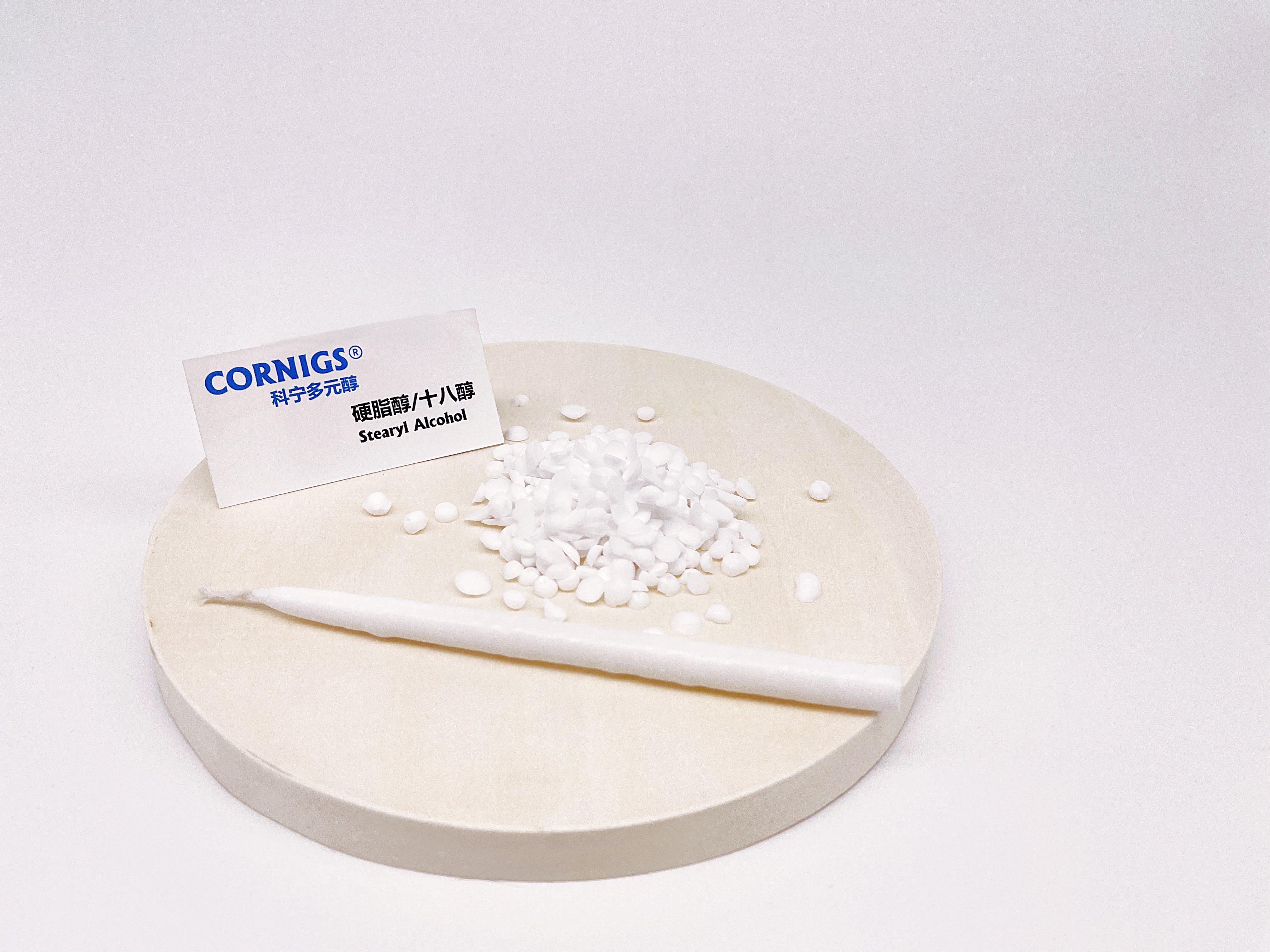
Compare stearyl alcohol chain profile, melting range and moisture for cream or industrial formulations. Review melt addition, cooling and stability before substitution.
Compare stearyl alcohol through chain composition and melt testing, not trade names alone.
Cream selection calls for comparable texture and storage trials.
The melting-to-cooling process window should be tied to the selected grade and its handling plan.
Integrating R&D, production and sales, not a trader, more competitive price and stable supply.
Certified by ISO 9001, FSSC 22000, Halal, Kosher, etc., with perfect quality control system.
Has an independent R&D center, can customize specifications according to customer needs, and provide technical support and application solutions.
Annual capacity exceeds 300,000 tons, regular products are in stock, and large orders can be produced and delivered quickly.
More than 20 years of foreign trade experience, familiar with import regulations and customs clearance processes of various countries, one-stop export service.
One-on-one service, full follow-up from inquiry, sampling, order placement to after-sales, response within 2 hours.
Nonproprietary Names: 1-octadecanol
Chemical Name: 1-0ctadecanol
INCI Name: STEARYL ALCOHOL
INCI Number: 07972
CAS Registry Number: 112-92-51
EINECS Registry Number: 204-017-6
Molecular Formula: C18H380
Molecular Weight: 270.48 g / mol
Structural Formula:

|
apparent condition |
White wax solid |
|
tone |
10 Max |
|
acid value |
0.1 Max |
|
Shuifen |
0.1 Max |
|
alkane |
0.5 Max |
For specific product specifications and MSDS, please contact the product manager.
Our product managers are ready to provide exclusive solutions for you and support sample delivery.
Packaging: the specification is 25kg / bag, 20kg / bag
Storage: keep at room temperature, avoid moisture and avoid light.
shelf life: 2 years
Check C18 content, other chain fractions and melting-test conditions alongside moisture and colour. Identical trade names do not establish identical chain distributions or melt behaviour.
Compare consistency, spreading and storage stability while controlling emulsifier, phase ratio and cooling. Replacing cetyl or cetearyl alcohol requires a new formulation trial rather than automatic dose substitution.
Confirm melting conditions, addition sequence and cooling requirements for the grade. Keep packs intact and protected from contamination, using the storage limits given in the product documents.
Describe the intended use, target texture, current fatty-alcohol grade and trial scale when discussing trial quantities, packs and order volume.
Include chain distribution and melting-test methods in bulk acceptance criteria. Check batch tests and labels, and confirm the required use grade and export documents.
Fill in the form below or scan the WhatsApp QR code, and the product manager will reply within 2 hours.
Scan QR Code to Chat Immediately

Scan with WhatsApp
Working Hours: 8:00-18:00 on Weekdays
Get Detailed Quotation
Welcome to Visit Our Factory
