Product Center

Thermoplastic Starch: Grade and Processing Checks

Thermoplastic Starch
Product definition

Thermoplastic starch is also known as "no structure starch", through certain methods to make the starch structure disorder, so that it has thermoplastic. With plastic starch materials to plant starch and cellulose and other natural polymer materials as the main raw materials, the resources can be renewable, can save a lot of petroleum resources.

Get Quotation / Free Sample

Product Functional Category and Applications

 Use: it can be mixed with different resin materials, suitable for blowing film, injection molding, extrusion, plastic absorption and other processes.

Usage: Thermoplastic starch particles can be directly mixed with PLA, PBAT, PE, PP and other materials, and the added ratio can float in 20-40%, reduce the processing process, simplify the cattle production formula, reduce the cost, and can meet the biodegradable and composting requirements of products.

superiority:

(1) Greatly reduce the cost of degradable materials. Starch and starch mixed plastics have been on the market for many years and are commonly known as hot starch (TPS) and TPS substances. However, these TPS plastic products are expensive to produce, and the quality is not at the level needed for high-quality film, and can not be used for plastic bag production. Innovative plasticizing process, so that the product can be very integrated with the main resin.

(2) TPS + PBAT to achieve the cost reduction of PABT

(3) PLA + TPS to achieve PLA low-cost plastic meal box

(4) PE + TPS realizes the low-cost foaming of traditional materials

Why Choose Minghua glycol
🏭

Own Factory · Direct Supply

Integrating R&D, production and sales, not a trader, more competitive price and stable supply.

📋

Multiple International Certifications

Certified by ISO 9001, FSSC 22000, Halal, Kosher, etc., with perfect quality control system.

🔬

Professional R&D Team

Has an independent R&D center, can customize specifications according to customer needs, and provide technical support and application solutions.

📦

Large Capacity · Fast Delivery

Annual capacity exceeds 300,000 tons, regular products are in stock, and large orders can be produced and delivered quickly.

🌍

Export to 50+ Countries

More than 20 years of foreign trade experience, familiar with import regulations and customs clearance processes of various countries, one-stop export service.

🤝

Dedicated Customer Manager

One-on-one service, full follow-up from inquiry, sampling, order placement to after-sales, response within 2 hours.

Product Summary

Nonproprietary Names: Plasticity starch material: Plastarch Material (PSM), full starch plastic

Other: TPS; TPS-PE; TPS-PBAT

Raw materials: corn starch, cassava starch, sweet potato starch

Usage: mixed with traditional resin and extrusion processing, adding ratio of 0-40%

Product grade: all-food-grade raw materials

Degradation performance: 100% degradable compost

MSDS Specification and MSDS

apparent condition

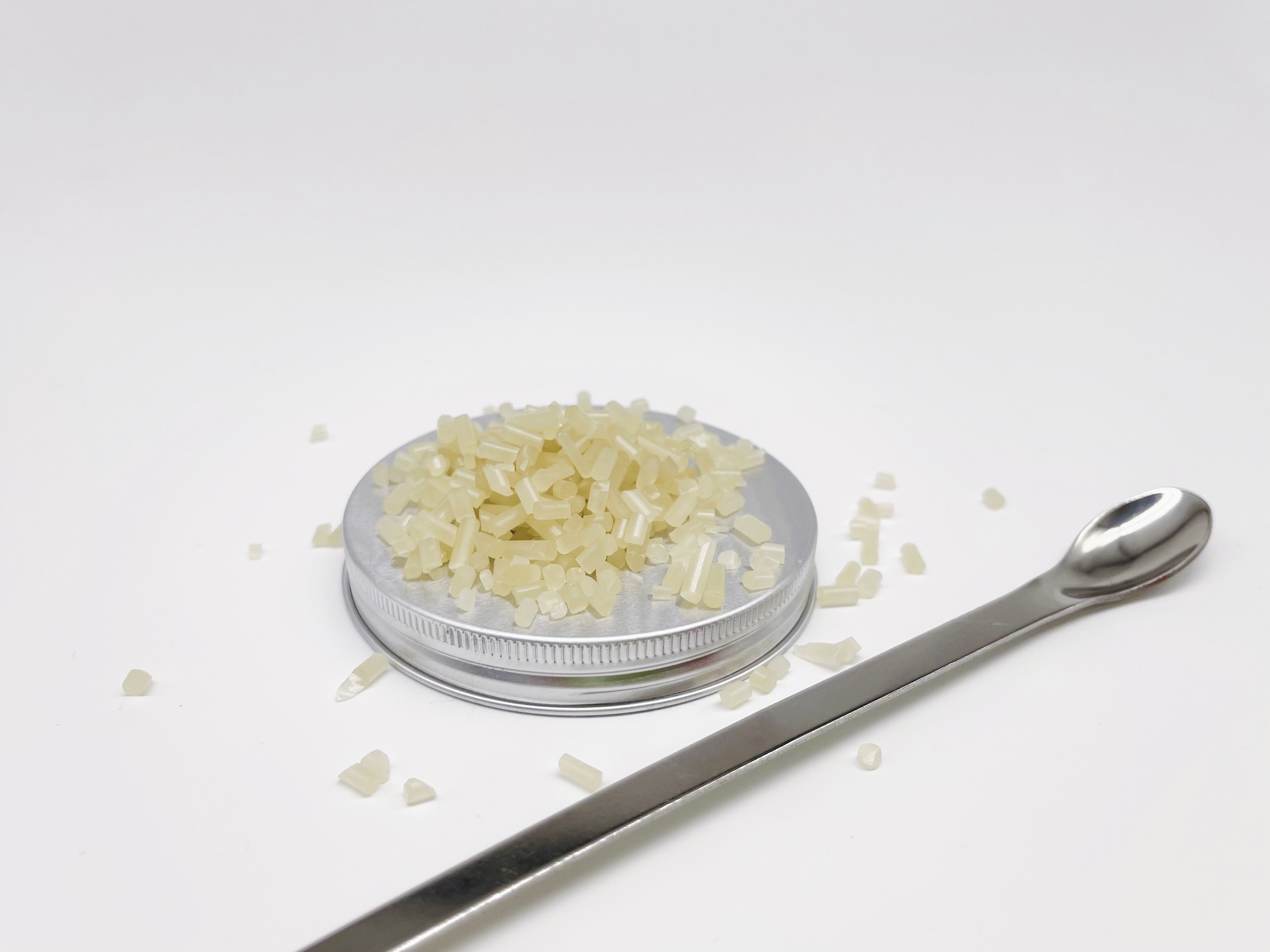
Light yellow and translucent solid particles

Melt finger

Please consult the sales engineer

density

Please consult the sales engineer

tensile strength

Please consult the sales engineer

elongation at break

 Please consult the sales engineer

For specific product specifications and MSDS, please contact the product manager.

Need Bulk Quotation or Custom Specifications?

Our product managers are ready to provide exclusive solutions for you and support sample delivery.

Product Package and Storage

Packaging: 25kg / bag, 20kg / bag

Storage conditions: keep at room temperature, avoid moisture and avoid light.

shelf life: 2 years

Product Certificate

Food-Grade Food-grade certification

Frequently Asked Questions

Which properties should I compare when choosing a thermoplastic starch grade?

Start with melt flow rate, density and moisture, then tensile strength and elongation at break. Processing windows differ by grade, so state the target article when requesting the current specification.

Can thermoplastic starch be compounded with PBAT, PLA or PE?

Yes, along those compounding routes. Ratio, blending temperature and compatibiliser dosage are set by bench trials on your own equipment; test rheology and mechanical properties on a sample before scaling up.

How should thermoplastic starch pellets be dried and stored?

Starch-based pellets pick up moisture. Dry them to the grade requirement before processing, reseal opened bags, keep the material ventilated, dry and cool, off the floor and away from heat, and use batches first in, first out.

Can I run a machine trial on a thermoplastic starch sample?

Trial samples can be arranged; tell us the extrusion or moulding line, the resin you plan to blend (PBAT, PLA or PE) and the kilograms needed. Orders start at full bags, lead time follows grade stock, and the bulk quantity is set after the trial data is in.

What documentation comes with a bulk thermoplastic starch order?

Bulk shipments carry the COA, SDS and specification sheet. If your article needs biodegradation or bio-based content certification, name the destination market early so available test reports can be confirmed; export paperwork follows the destination country.

Product Remarks
Menu Products Application Tel