
Product Center

Polyethylene Glycol 600 Pharmaceutical Grade vs PEG 400

Polylene glycol
Polylene glycol
Product definition
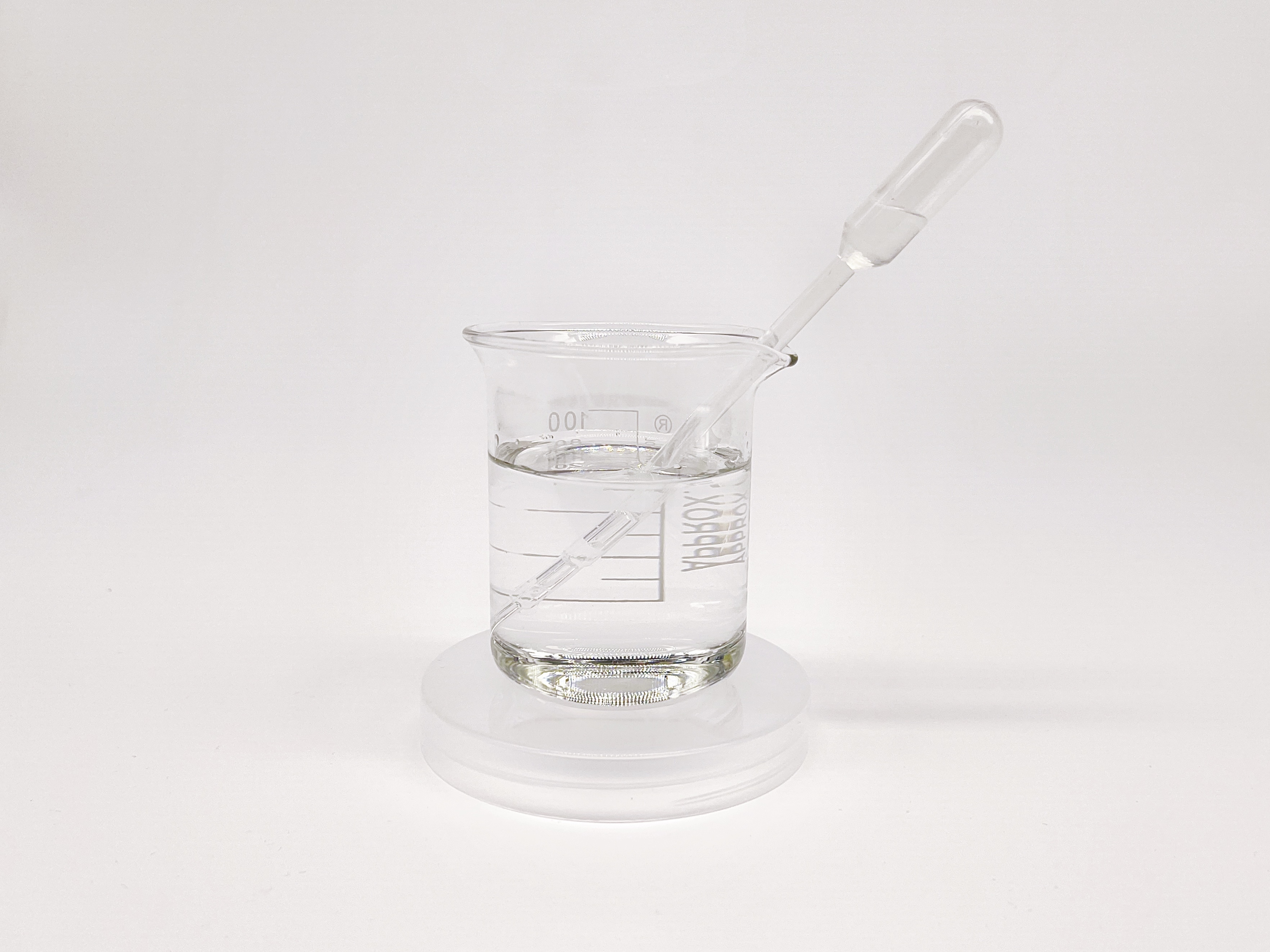
Polylene glycol (PEG) is a polymer made of ethylene glycol molecules connected by a chemical reaction. It has a linear structure, in which the ethylene glycol unit (C2H4O) is repeatedly linked together to form a long chain. The properties of polyethylene glycol can be adjusted by controlling the molecular weight (the degree of polymerization, also known as the length of the polymer), to obtain different chemical and physical properties.

Get Quotation / Free Sample

Product Functional Category and Applications

1. PEG can help make the drug more soluble, so people are more effective when they take it. It can also help protect the drug, releasing it slowly in the body, which is very helpful for some long-term treatments.

2. PEG can make cosmetics smoother and easier to apply to the skin. It also keeps the skin moist and makes it feel softer.

3, polyethylene glycol can be used as a lubricant, so that some mechanical parts in the operation of more smoothly. It can also be used on medical devices to make the examination and surgery more smoothly.

4. In the food processing process, polyethylene glycol can be used to improve the texture and taste of food. It can also help keep the food moist and extend its shelf life.

Why Choose Minghua glycol
🏭

Own Factory · Direct Supply

Integrating R&D, production and sales, not a trader, more competitive price and stable supply.

📋

Multiple International Certifications

Certified by ISO 9001, FSSC 22000, Halal, Kosher, etc., with perfect quality control system.

🔬

Professional R&D Team

Has an independent R&D center, can customize specifications according to customer needs, and provide technical support and application solutions.

📦

Large Capacity · Fast Delivery

Annual capacity exceeds 300,000 tons, regular products are in stock, and large orders can be produced and delivered quickly.

🌍

Export to 50+ Countries

More than 20 years of foreign trade experience, familiar with import regulations and customs clearance processes of various countries, one-stop export service.

🤝

Dedicated Customer Manager

One-on-one service, full follow-up from inquiry, sampling, order placement to after-sales, response within 2 hours.

Product Summary

Nonproprietary Names: polyethylene glycol

Nickname: PEG

INCI Name: PEG

Chemical Name: polyethylene glycol

CAS Registry Number: 25322-68-3

EINECS Registry Number: 200-849-9

HS Registry Number: 39072000

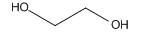
Molecular Formula: (C2H4O)n

Structural Formula:

Synonyms: PEG, polyethylene glycol polymer, polyoxyethylene, polyethylene glycol ether, etc.

MSDS Specification and MSDS

apparent

Colorless transparent liquid

PH (5% aqueous solution)

4~7.5.5

Acid value (in acetic acid), w /%

≤0.05

Ethylene oxide, w /%

≤0.002

Total amount of ethylene glycol and diethylene glycol, w /%

≤0.25

For specific product specifications and MSDS, please contact the product manager.

Need Bulk Quotation or Custom Specifications?

Our product managers are ready to provide exclusive solutions for you and support sample delivery.

Product Package and Storage

Packaging: This product is packaged in polyethylene plastic barrel or ton barrel, with specifications of 250kg / barrel and 1250kg / barrel

Storage: should be stored in a ventilated, dry, cool warehouse, should be fire prevention.

shelf life: 2 years

常见问题 (Frequently Asked Questions)

Molecular weight, viscosity, freezing point and dosage forms

What is the difference between polyethylene glycol 600 pharmaceutical grade and PEG 400?

Both are liquids at room temperature. PEG 600 has a higher average molecular weight, higher viscosity and a freezing point of about 15 to 25 °C, so it may turn hazy or semi-solid in winter. PEG 400 is thinner with a lower freezing point. Choose by the solvency and flow the dosage form needs.

Where is polyethylene glycol 600 pharmaceutical grade used?

As a solvent for soft capsule fills, a co-solvent in oral liquids and drops, a component of ointment and suppository bases, and a plasticiser in tablet coatings. Dosage is set in formulation studies.

Which pharmacopoeia does polyethylene glycol 600 pharmaceutical grade follow?

Pharmaceutical grades are controlled under the polyethylene glycol monographs of ChP, USP or Ph. Eur., with key tests for average molecular weight, hydroxyl value, ethylene glycol and diethylene glycol, ethylene oxide and dioxane. The applicable standard is stated in the datasheet.

What if the product turns cloudy or solid in cold weather?

The freezing point of PEG 600 sits near room temperature, so hazing or going semi-solid in the cold is a physical change; warming under the conditions in the datasheet and stirring restores the appearance. Restored appearance is not a release decision — that follows your own quality procedure and the pharmacopoeial tests you work to. Keep sealed and avoid repeated freeze-thaw cycles.

How do I request a quote from SZMHTC?

Submit the pharmacopoeia standard, packaging and monthly volume through the enquiry form. Sales will reply with price and lead time; specifications are confirmed in writing.

Product Remarks
Menu Products Application Tel