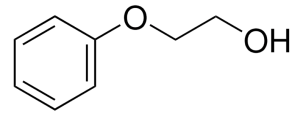
Phenoxyethanol
Integrating R&D, production and sales, not a trader, more competitive price and stable supply.
Certified by ISO 9001, FSSC 22000, Halal, Kosher, etc., with perfect quality control system.
Has an independent R&D center, can customize specifications according to customer needs, and provide technical support and application solutions.
Annual capacity exceeds 300,000 tons, regular products are in stock, and large orders can be produced and delivered quickly.
More than 20 years of foreign trade experience, familiar with import regulations and customs clearance processes of various countries, one-stop export service.
One-on-one service, full follow-up from inquiry, sampling, order placement to after-sales, response within 2 hours.

|
Appearance |
Colorless and transparent liquid |
|
Content, % |
≥ 99.5 |
|
Phenol, ppm |
≤ 200 |
|
Color, Hazen |
≤10.0 |
|
Moisture content, w/% |
≤ 0.1 0 |
Our product managers are ready to provide exclusive solutions for you and support sample delivery.
The Chinese Safety and Technical Standards for Cosmetics and the EU Cosmetics Regulation both list phenoxyethanol as a permitted preservative at a maximum of 1.0%. Most formulas use 0.3% to 0.8%, and blends allow a lower dose.
Phenoxyethanol is strong against bacteria but weaker against mould and yeast. Ethylhexylglycerin increases cell membrane permeability and boosts the overall effect, which is the basis of the common 9:1 blend. Pairing with 1,2-hexanediol or pentanediol works the same way.
It is stable from pH 3 to 10, a wider range than parabens or organic acid preservatives, which is one reason it became a general-purpose preservative.
It is a liquid at room temperature and can be added to the water phase or after emulsification. High temperature increases evaporation loss, so add below 45 °C and mix well.
This page is a product information note. Assay, packaging and the applicable standard follow the current datasheet from sales, which you can request through the enquiry form.